Budget allocates $10 million for training in positive discipline
 Alison Yin for EdSource
 Alison Yin for EdSource
Lawmakers have fix aside $10 million in i-time funds to be used during the next three years to train teachers and administrators across the country on how to use more than positive approaches to disciplining students.
The funding, which was part of a trailer bill to implement the budget, is for training educators to develop a Multi-Tiered Organization of Supports — from creating a positive school climate for all students to providing individualized counseling to troubled students. The funding is a response to recommendations from the Statewide Special Instruction Task Strength written report, said H.D. Palmer, spokesman for the California Section of Finance. The task force found that students in special education are unduly suspended and expelled, and recommended the multi-tiered approach to schoolhouse subject field.
"I'm thrilled," said Laura Faer, an attorney with Public Counsel, a public interest police force firm that has promoted positive discipline. "There is such a high demand for this training. Nosotros tin at present create a real network statewide that tin support our students."
Heidi Holmblad is executive director of the California Clan of School Psychologists, which had supported a bill that would have increased funding for positive disciplinary approaches. She said many schools already have instituted a multi-tiered system, just many others have not.
The new funding "is a way to bring the multi-tiered approach to as many schools equally possible to ensure that the reasons for the misbehavior are addressed rather just being punitive," Holmblad said.
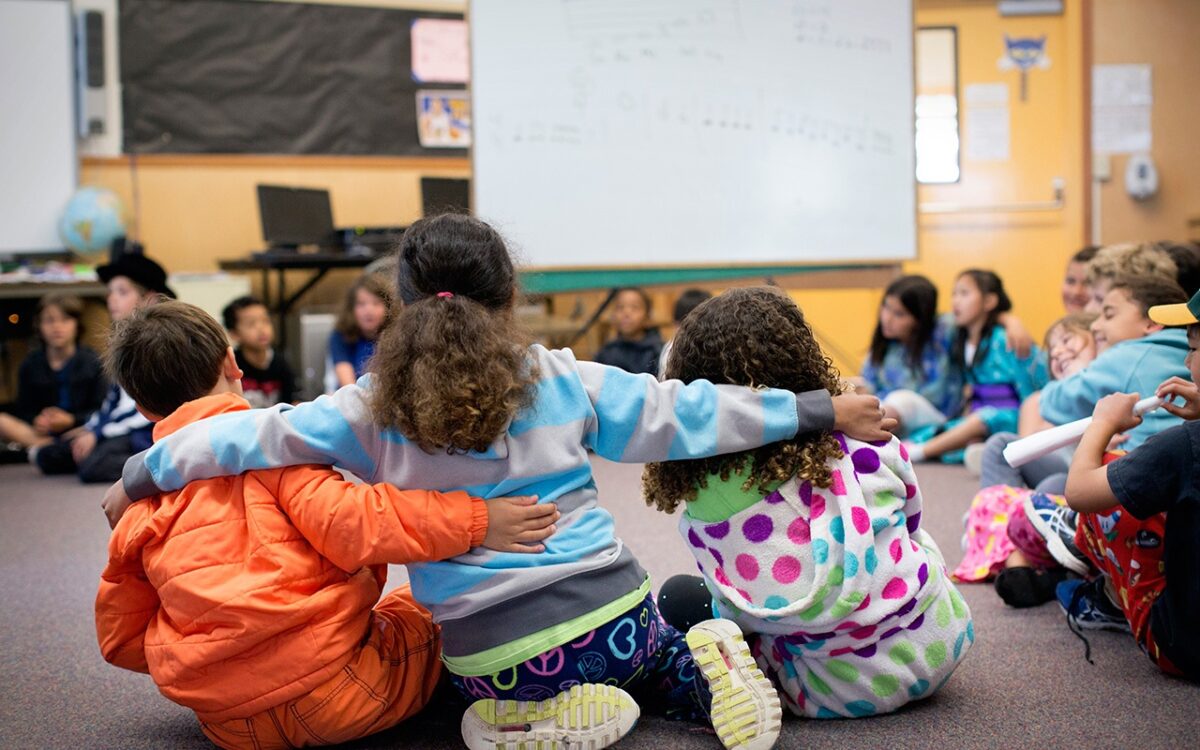
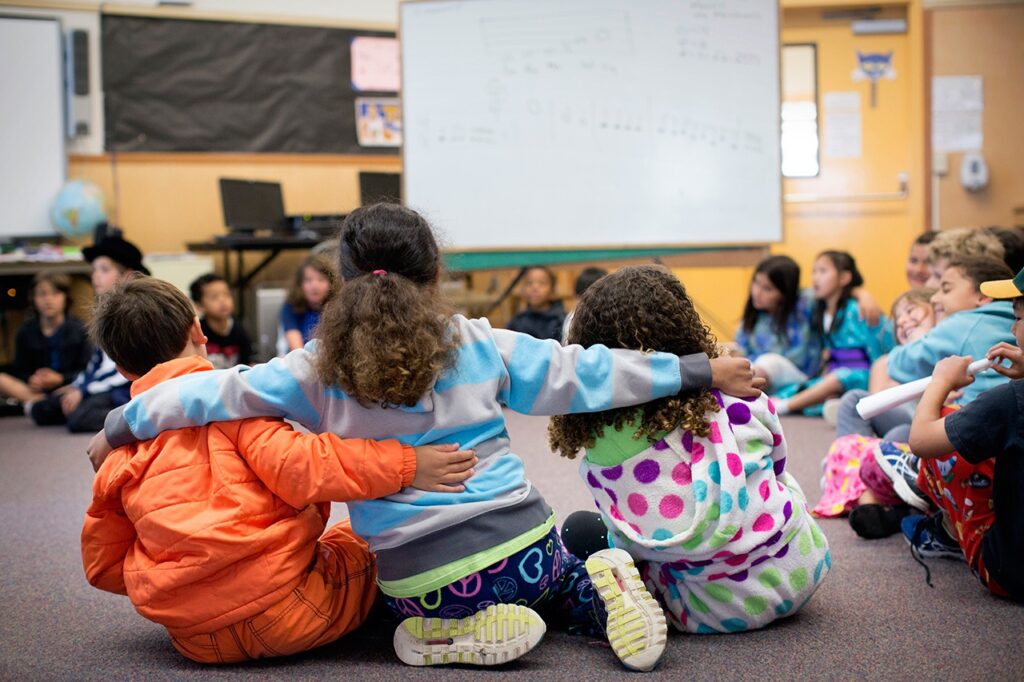
Under a multi-tiered system, schools initially establish a positive climate for all students as a first tier. For example, schools tin begin the week with students and the teacher in each classroom forming a circle to discuss what is going on in their lives and at school. Staff, from janitors to the principal, can make an effort to go to know students and greet them past name. Schools as well tin create articulate and elementary rules about what behavior is expected at school, such as being respectful and responsible.

Courtesy of www.pbis.or
The second tier would involve interventions with students who are having academic or behavioral problems to teach them more effective ways to go their needs met and to empathize the bear on of their beliefs on others. For case, students who are having problems might encounter with a counselor in a small group.
The third-level tier would be private counseling support for students at high take a chance of not succeeding at school.
The approach relies heavily on data. For example, if well-nigh of the referrals to the principal's office are coming from ane teacher, and so an administrator would investigate why and provide the teacher training in alternative methods of disciplining students. Or if nigh of the problems are happening during lunchtime because of conflicts between 7th- and 8th-graders in a middle school, the administrators might arrange the lunchtime schedule to carve up the grades.
The goal is to keep students in school and build a culture that is respectful and supportive of all students, Faer said.
The California Department of Education will choose one or two canton offices of didactics to determine how to allocate the funding to districts. The details have non notwithstanding been worked out.
"Contest for the funding is going to be fierce," Hornblad said. "Our main business concern is that it go to lower-cost programs that are quite effective and working in the schools."
To get more reports like this one, click here to sign upwards for EdSource'south no-cost daily electronic mail on latest developments in teaching.
Source: https://edsource.org/2015/budget-allocates-10-million-for-training-in-positive-discipline/83001
0 Response to "Budget allocates $10 million for training in positive discipline"
Post a Comment